
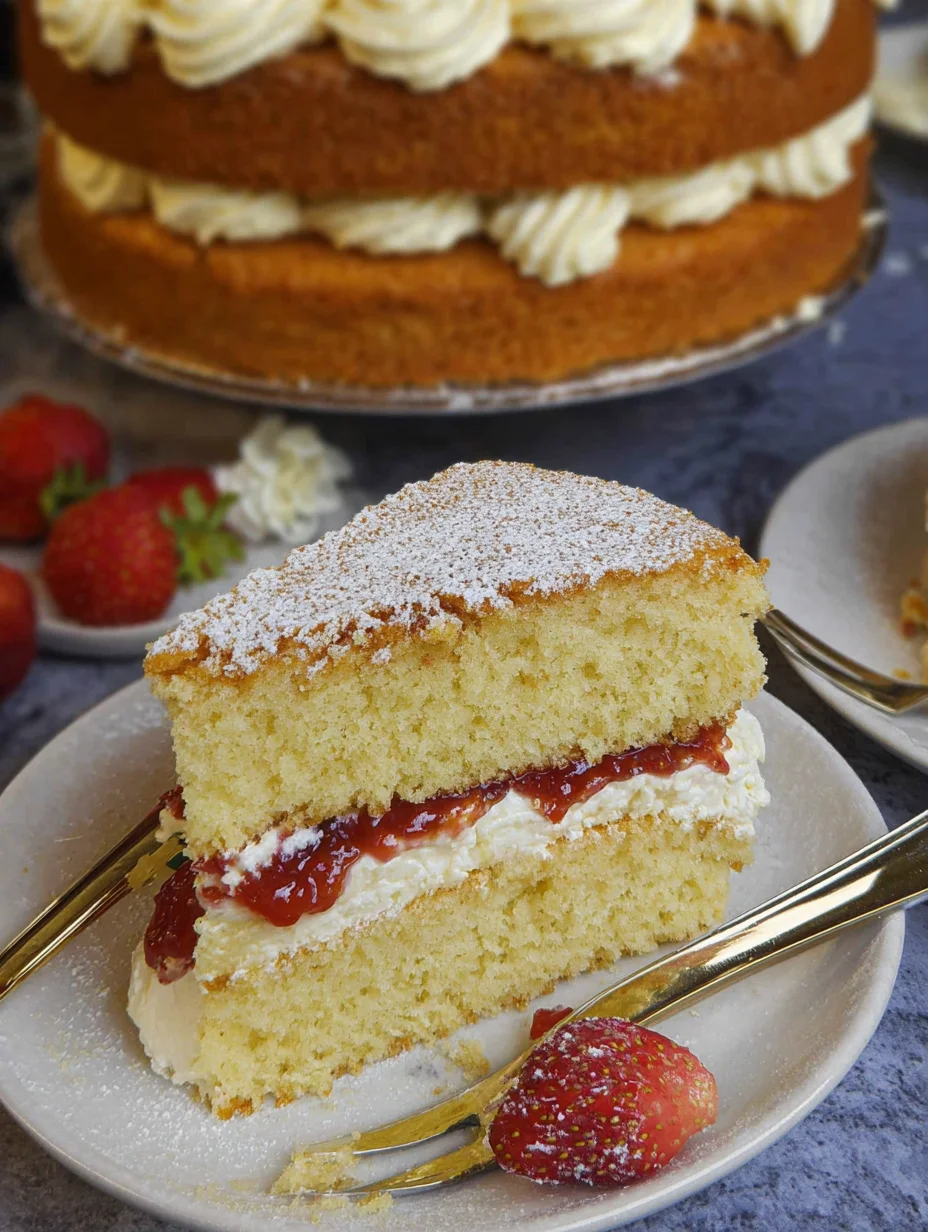
There’s something undeniably comforting about the classic Victoria Sponge, isn’t there? Growing up, my gran would whip one up on lazy Sunday afternoons, filling the house with that warm, buttery aroma that just screams home. The Victoria Sponge, named after Queen Victoria herself, is the epitome of British baking simplicity—two light-as-air sponge layers sandwiched with sweet strawberry jam and fluffy whipped cream. I’ve lost count of the times I’ve turned to this recipe when I needed a quick yet impressive bake for tea with friends.
In my experience, the key to a perfect Victoria Sponge lies in not overmixing the batter, which keeps it tender and moist. Whether you’re a baking novice or a seasoned pro, this Victoria Sponge recipe will have you feeling like you’ve stepped into a cozy English tearoom. I’m excited to share every detail so you can create your own slice of tradition right in your kitchen.
Key Takeaways:
- The Victoria Sponge is a timeless British classic that’s easy to make at home with pantry staples.
- Prep and bake in under an hour for a fresh, crowd-pleasing dessert without the fuss.
- Its light, fluffy texture paired with jam and cream delivers a burst of sweet, indulgent flavor.
- Room temperature ingredients ensure the best rise and even crumb in your Victoria Sponge.
- Store leftovers in an airtight container for up to three days to keep it tasting fresh.
Why You’ll Adore This Victoria Sponge
Effortless Elegance: This Victoria Sponge comes together with minimal equipment—just a mixer, bowls, and your oven. It’s perfect for when you want something fancy-looking without spending hours in the kitchen. I’ve made it for countless gatherings, and it always gets rave reviews for its simplicity and charm.
Grab This Chef Knife Now - Almost Gone!
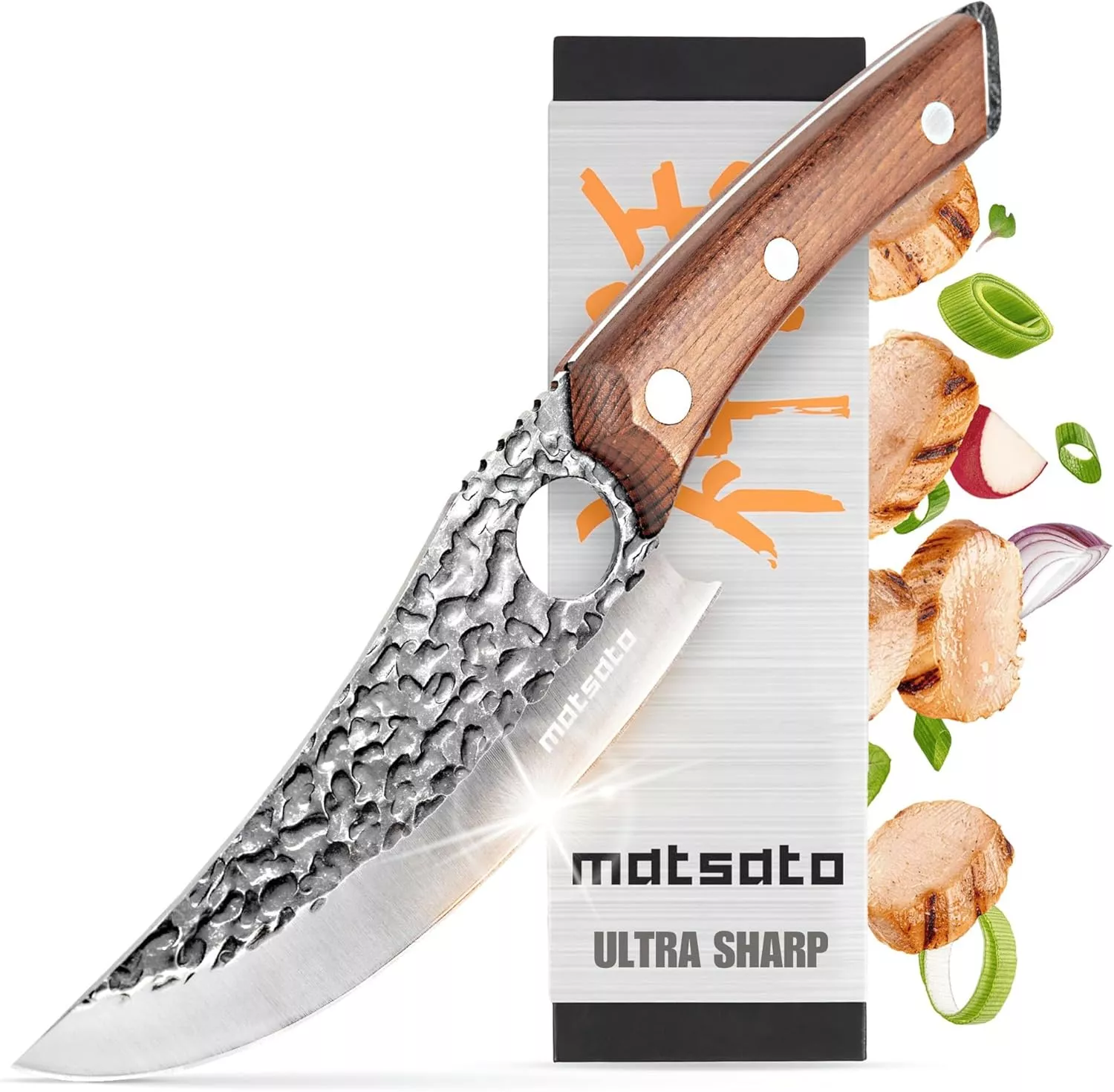
- Stays Razor-Sharp: Ice-hardened blade keeps its edge longer than ordinary knives
- Superior Grip Control: Unique finger hole design gives you perfect balance and safety
- Built to Last a Lifetime: Premium stainless steel blade with elegant beech wood handle
- ✓ Finally, a knife that stays sharp and feels comfortable in my hand
- ✓ Professional quality without the premium price tag
- ✓ Makes meal prep faster and more enjoyable
⏰ Only a few items left in stock - order soon
Versatile for Any Occasion: Whether it’s afternoon tea or a birthday treat, the Victoria Sponge fits right in with its nostalgic appeal. You can dress it up with fresh berries or keep it classic—either way, it’s a hit. What I love most is how it brings people together over a shared slice.
Customizable Indulgence: The beauty of this Victoria Sponge is how it welcomes tweaks, like swapping jam flavors or adding a dusting of powdered sugar. It’s forgiving for beginners yet rewarding for experts. In my experience, that flexibility keeps things exciting every time I bake it.
Healthier Twist Possible: While indulgent, you can lighten up your Victoria Sponge with low-fat cream or fruit purees. It’s a guilt-free pleasure when you need a sweet pick-me-up. Let’s be honest, who can resist that first creamy bite?
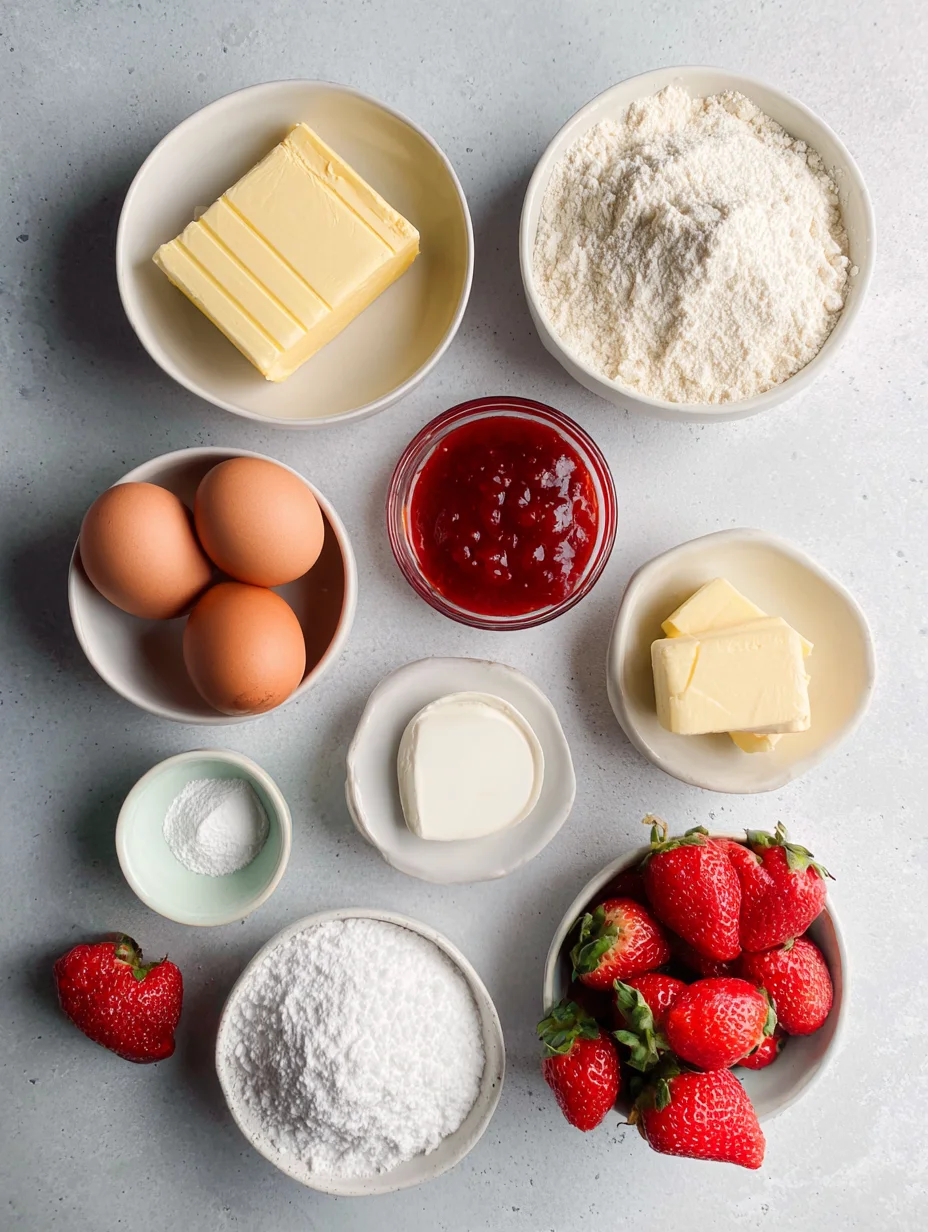
Essential Ingredients for Victoria Sponge
Unsalted Butter: At room temperature, this is the backbone of your Victoria Sponge, providing richness and a tender crumb. I always opt for high-quality butter because it really shines through in the final texture. Without it, the cake would lack that melt-in-your-mouth quality we all crave, so don’t skimp here.
Grab This Kitchen Scale Now — Best Precision Pick!
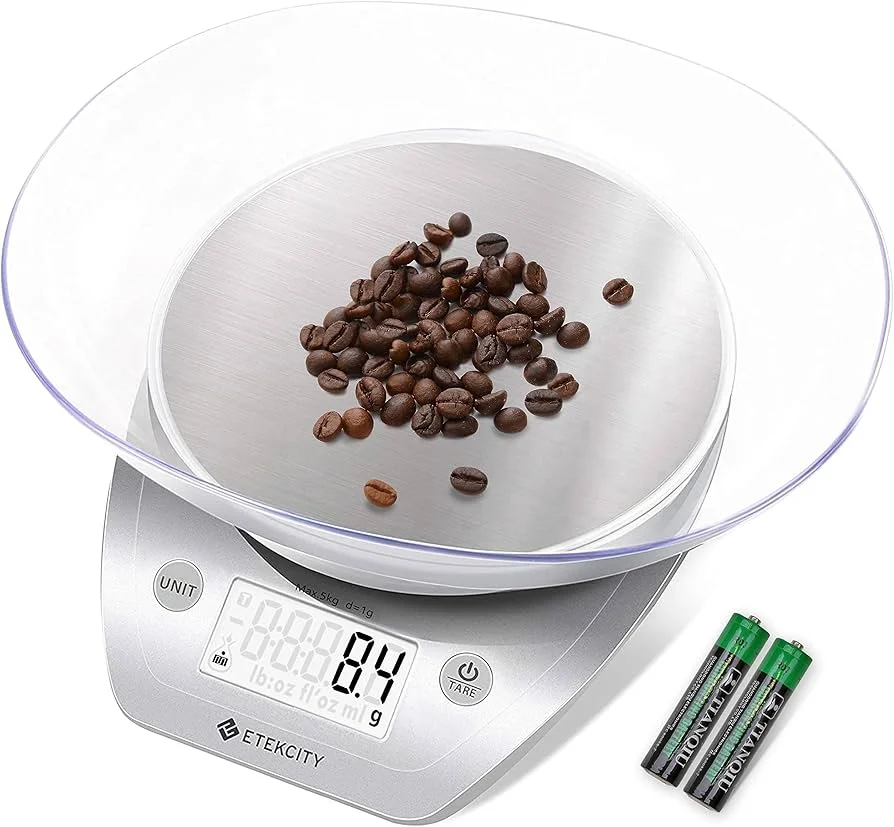
- Razor-Accurate Every Time: Dual-increment precision down to 0.1g — perfect for baking, meal prep, and portion control with g, oz, ml, and fl'oz modes.
- Smart Removable Bowl Design: Detachable bowl doubles as a protective case for compact storage. Tare function lets you weigh ingredients in any container with zero fuss.
- Built for Everyday Convenience: Auto-zero, tare function, low battery alert, overload indicator, and 2-minute auto-off to extend battery life — all in a sleek stainless steel build.
- ✓ "Perfect for baking — precise, lightweight, and stores easily without wasting counter space"
- ✓ "A game changer! Weighing ingredients is now way more accurate than measuring cups"
- ✓ "Love the 0.1g precision and backlight — best food scale I've owned. Highly recommend!"
⏰ Only a few items left in stock - order soon
Golden Caster Sugar: This fine sugar adds a subtle caramel note that elevates the sweetness without overpowering. It creams beautifully with the butter for aeration, which is crucial for a light Victoria Sponge. In my kitchen, it’s a staple for all sponge cakes—trust me, it makes a difference in flavor depth.
Eggs: Fresh, large eggs bind everything together and contribute to the cake’s structure and rise. They add moisture and a slight richness that complements the jam filling in the Victoria Sponge. I’ve found that room-temperature eggs incorporate more easily, preventing curdling and ensuring even baking.
How to Make Victoria Sponge
Preheat and Prep Your Pans
Start by preheating your oven to 350°F (175°C) and greasing two 8-inch round cake pans, lining the bottoms with parchment for easy release. This step sets the stage for a flawless Victoria Sponge—I’ve learned the hard way that skipping it leads to sticky disasters. Gather all your ingredients at room temperature to ensure they blend smoothly, which promotes even rising and a soft texture throughout.
Cream Butter and Sugar
In a large bowl, beat the softened butter and sugar together until pale and fluffy, about 3-5 minutes with an electric mixer. This incorporates air, making your Victoria Sponge light and airy—think clouds on a plate. Add the eggs one at a time, beating well after each, and scrape down the sides to keep everything uniform. If the mixture curdles a bit, don’t worry; a spoonful of flour will bring it back.
Fold in Dry Ingredients and Bake
Sift in the self-raising flour and gently fold it into the batter with a spatula until just combined, avoiding overmixing to preserve that tenderness in your Victoria Sponge. Divide the mixture evenly between the pans and smooth the tops for an even bake. Pop them in the oven for 20-25 minutes, until golden and a toothpick comes out clean— the aroma alone will have you eager to assemble.
Ingredients
- 200g unsalted butter, softened
- 200g golden caster sugar
- 4 large eggs, at room temperature
- 200g self-raising flour, sifted
- 1 tsp vanilla extract
- 2-3 tbsp strawberry jam
- 200ml double cream, whipped
- Icing sugar, for dusting
Victoria Sponge Instructions
- Preheat oven to 350°F (175°C). Grease and line two 8-inch cake pans.
- Cream butter and sugar until light and fluffy, about 5 minutes.
- Beat in eggs one by one, adding a tablespoon of flour if needed to prevent curdling.
- Fold in remaining flour and vanilla gently until smooth.
- Divide batter between pans and bake for 20-25 minutes until risen and golden.
- Cool in pans for 10 minutes, then transfer to wire racks.
- Once cool, spread jam on one layer, top with whipped cream, and sandwich with the other.
- Dust with icing sugar and serve immediately.
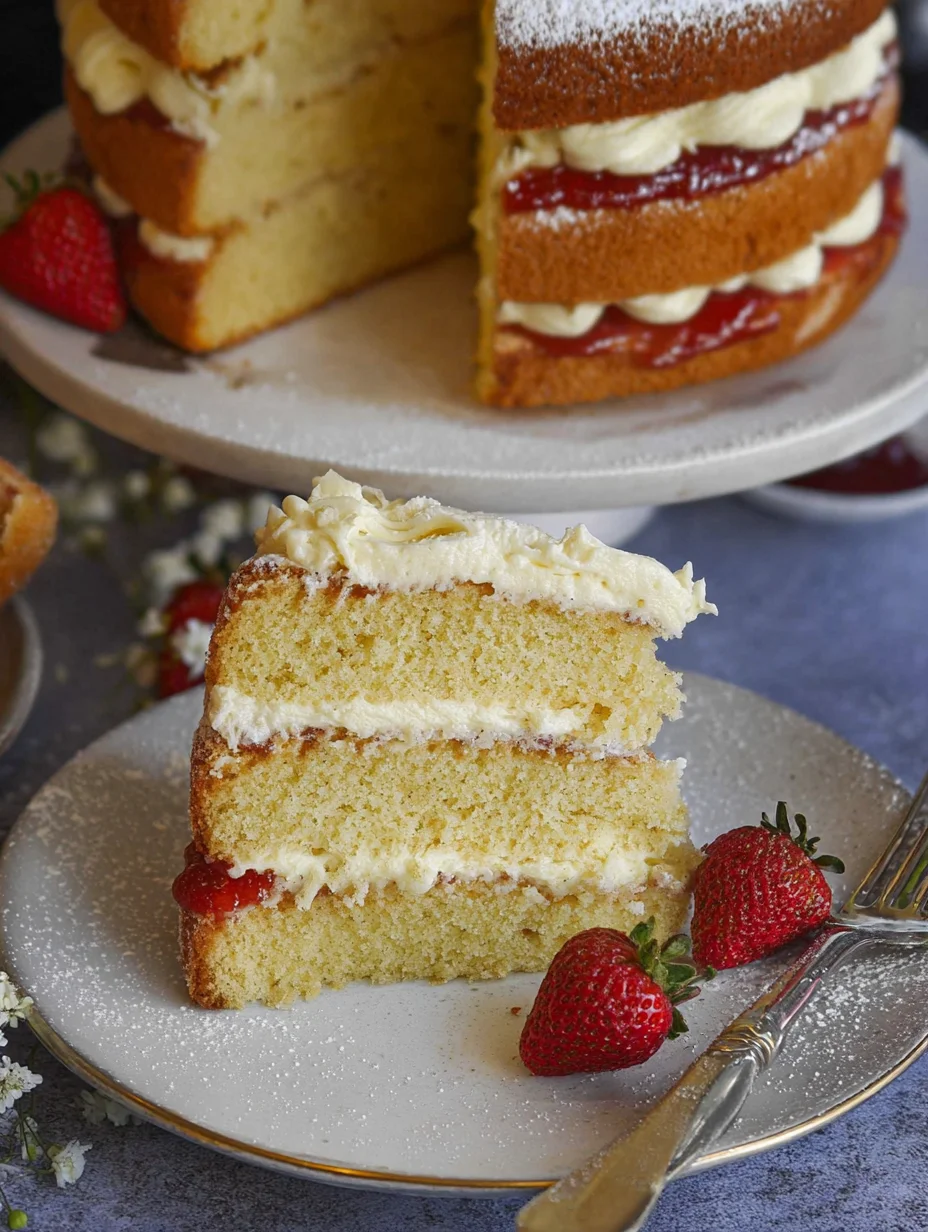
Pro Tips for the Best Victoria Sponge
Room Temperature Everything: Let your butter, eggs, and even the cream warm up—this ensures better emulsion and a superior rise in your Victoria Sponge.
Don’t Overbeat: Once you add the flour, fold just until no streaks remain to keep the batter light and prevent a dense cake.
Fresh Jam Matters: Use homemade or high-quality strawberry jam for that authentic, fruity tang that pairs perfectly with the cream.
You Must Know
- The Victoria Sponge originated in the 19th century and was a favorite of Queen Victoria for its simplicity.
- All ingredients should be weighed for precision, as volume measures can vary and affect the outcome.
- Baking powder in self-raising flour provides the lift, but don’t substitute plain flour without adding it separately.
- The cake is traditionally served with tea, emphasizing its role in British afternoon rituals.
How to Store Victoria Sponge
To keep your Victoria Sponge fresh, wrap it tightly in cling film or store in an airtight container at room temperature for up to two days. If the weather is warm, pop it in the fridge where it will last up to four days, though the cream might firm up a bit. For longer storage, freeze slices individually for up to a month—thaw at room temp and refresh with a quick microwave burst if needed.
Customizing Your Victoria Sponge
Feel free to swap the strawberry jam for raspberry or even lemon curd to give your Victoria Sponge a zesty twist that still honors the classic. For a dairy-free version, use plant-based butter and coconut cream—I’ve tried it, and it works wonderfully without sacrificing flavor. If you’re feeling adventurous, add a layer of fresh fruit like sliced strawberries for extra juiciness. Check out our lemon curd guide for more inspiration on variations.
What to Serve with Victoria Sponge
A pot of Earl Grey tea is the perfect companion to this elegant cake, cutting through the richness with its bergamot notes. For a lighter touch, pair it with a fresh fruit salad or a simple green salad to balance the sweetness. In summer, try it alongside iced herbal tea or even a scoop of vanilla ice cream for an indulgent dessert. Don’t forget clotted cream if you want to go all-out British!
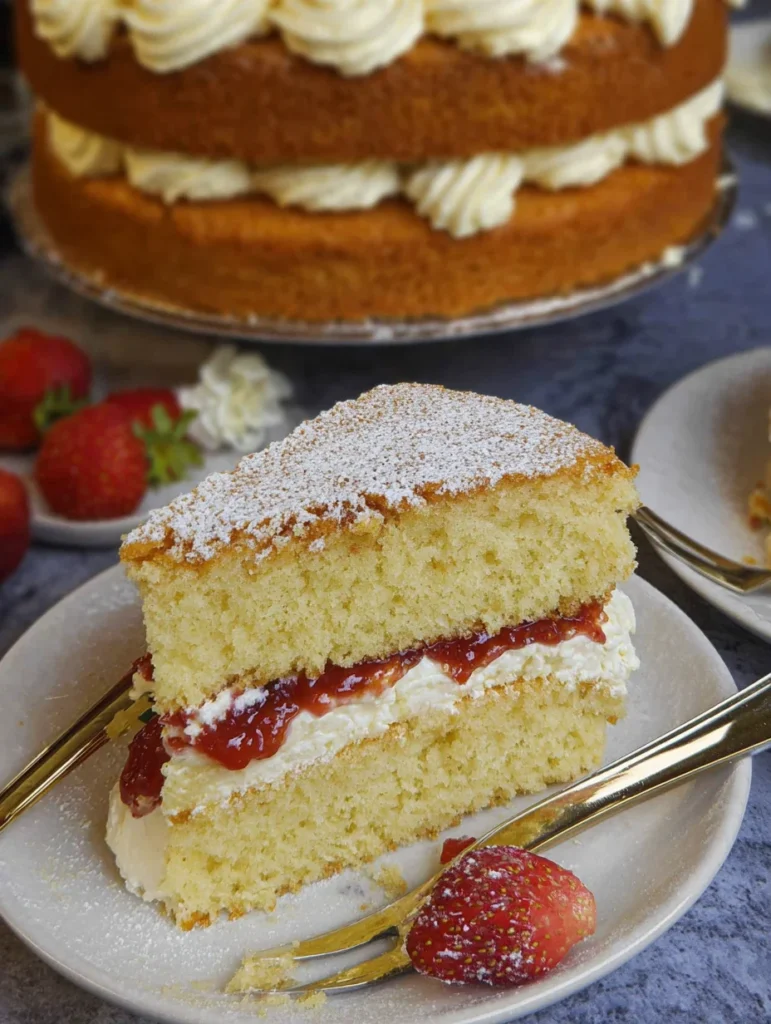
Victoria Sponge Cake
A delicious classic bake - A Victoria Sponge. Soft & light cakes, strawberry jam, vanilla buttercream & fresh strawberries!
Timing
Recipe Details
Ingredients
- 01 400 g unsalted butter (softened)
- 02 400 g caster sugar
- 03 400 g eggs (roughly 8 eggs)
- 04 400 g self raising flour
- 05 2 tsp baking powder
- 06 4 tbsp whole milk
- 07 150 g unsalted butter
- 08 450 g icing sugar
- 09 1/2 tsp vanilla extract
- 10 175 g strawberry jam
- 11 fresh strawberries
FILED UNDER:
NUTRITION FACTS (PER SERVING)
Nutrition information is calculated using an ingredient database and should be considered an estimate. In cases where multiple ingredient alternatives are given, the first listed is calculated for nutrition. Garnishes and optional ingredients are not included.
Frequently Asked Questions About Victoria Sponge
Can I make Victoria Sponge ahead of time?
Absolutely, you can bake the sponges a day in advance and assemble just before serving to keep the cream fresh. Store the cooled layers wrapped in foil at room temperature. This makes it ideal for entertaining without last-minute stress.
How long does Victoria Sponge last in the fridge?
Your Victoria Sponge will stay delicious in the fridge for up to four days when covered properly. The jam helps preserve it, but the cream might weep slightly after a couple of days. For best taste, enjoy within two days.
What’s the difference between Victoria Sponge and regular sponge cake?
The Victoria Sponge is specifically a British style with equal weights of butter, sugar, eggs, and flour, filled with jam and cream for a tea-time treat. Regular sponge might vary in ratios or fillings, lacking that traditional simplicity. It’s all about that light, buttery crumb in the classic version.
Can I use all-purpose flour for Victoria Sponge?
Yes, but add 2 teaspoons of baking powder to mimic self-raising flour and achieve the proper rise in your Victoria Sponge. Sift it well to aerate. This substitution works great if that’s what you have on hand.
Why did my Victoria Sponge sink in the middle?
Oven temperature that’s too high or opening the door too early can cause sinking, so check with a toothpick instead. Underbaking is another culprit—aim for 20-25 minutes exactly. In my experience, precise measuring prevents this issue every time.
Is Victoria Sponge gluten-free possible?
Definitely, swap in a 1:1 gluten-free flour blend and add a bit of xanthan gum if needed for structure in your Victoria Sponge. It bakes up just as tender. Test with a small batch first to adjust.
How do I know when my Victoria Sponge is done baking?
Look for a golden top and springy touch; a skewer inserted should come out clean. Avoid overbaking to keep it moist. Times vary by oven, so start checking at 20 minutes.
Can I add flavors to Victoria Sponge?
Yes, incorporate lemon zest or almond extract into the batter for a flavored Victoria Sponge without altering the base recipe. It adds a lovely twist. For more ideas, see our flavored cake collection.
Final Thoughts
From the first creaming of butter and sugar to that satisfying sandwich of layers, making this Victoria Sponge has brought me endless joy and compliments over the years. It’s more than a recipe—it’s a piece of baking history you can recreate anytime. So, grab your apron and give it a go; I promise you’ll wonder why you waited so long. Share your results or tag us in your bakes!